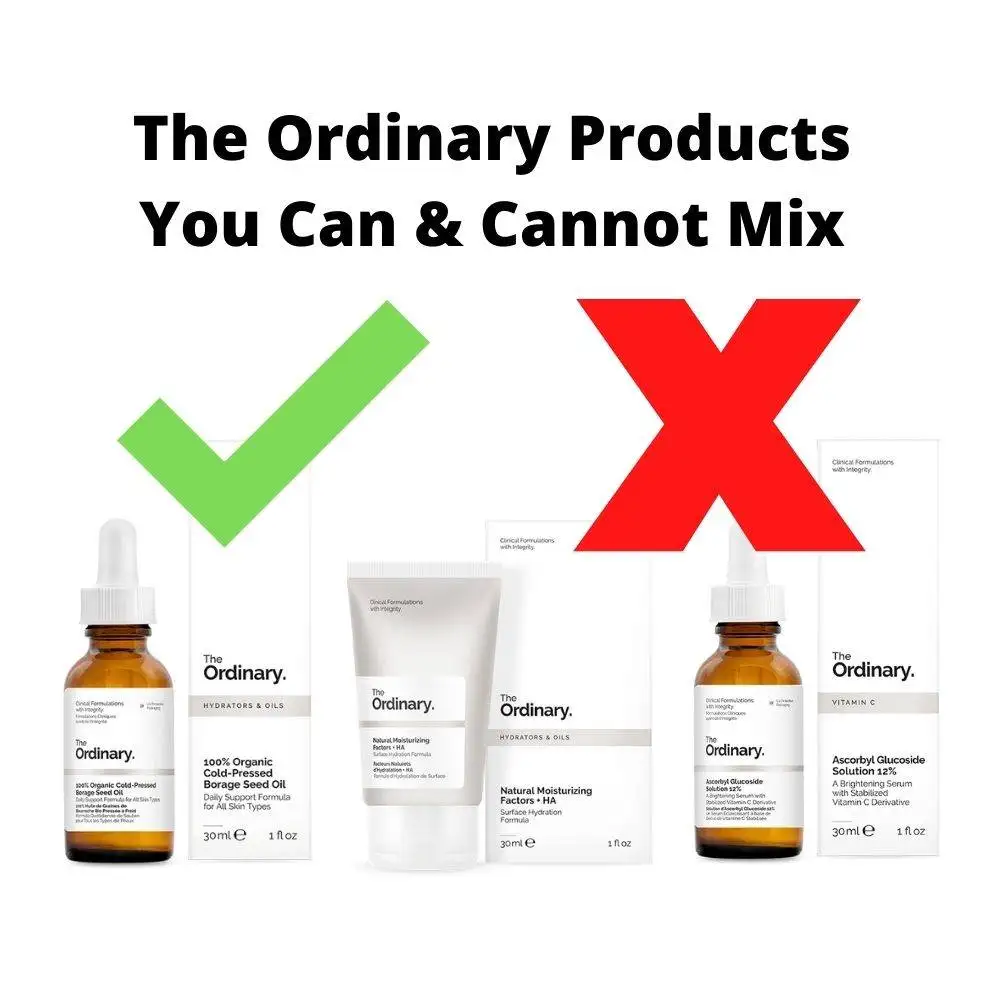




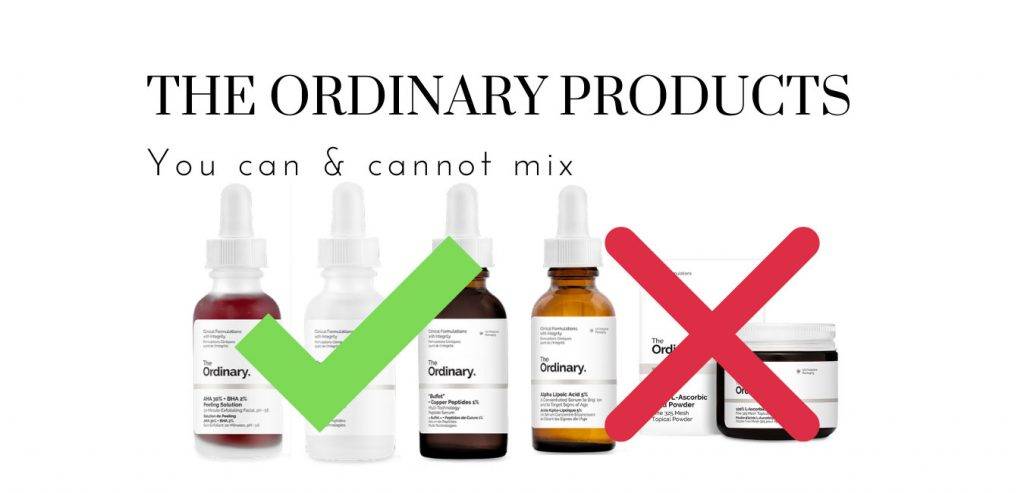
The Ordinary You Can & Cannot Mix
Most of The Ordinary products can be used together, but some ingredients should be used in separate routines to avoid irritation or reduce effectiveness.
✔ Use the chart below to quickly check product conflicts.
✔ Download the free printable PDF for easy reference.
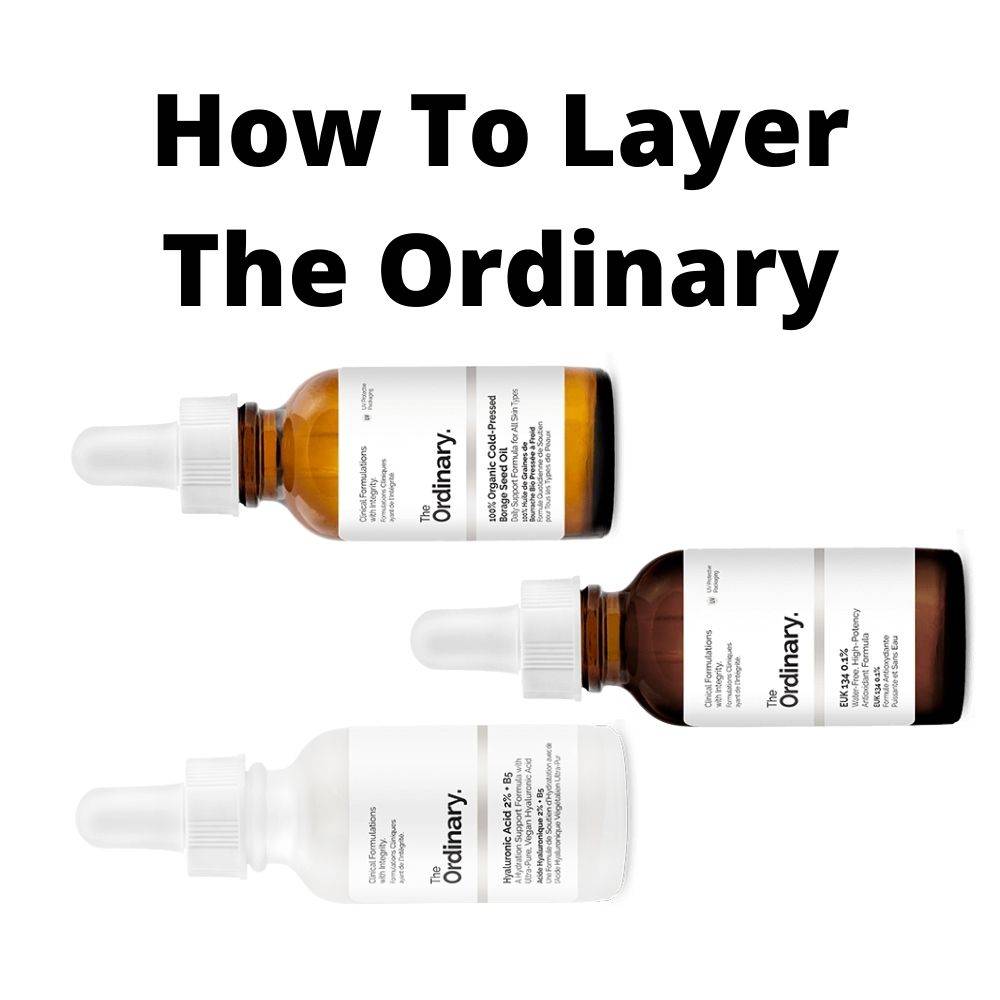
✔ New to The Ordinary? Read the complete guide on how to layer The Ordinary products.
Common “Can I use these together” questions
| Niacinamide + Retinol ✅ Salicylic Acid + Niacinamide ✅ Hyaluronic Acid + Retinol ✅ Niacinamide & Glycolic Acid ✅ Salicylic Acid + Retinol ❌ Glycolic Acid + Retinol ❌ Vitamin C + Copper Peptides ❌ AHA + Retinol ❌ Niacinamide + Vitamin C ❌ Retinol + Vitamin C (direct) ❌ derivative ✅ |
Your Free Printable PDF – Products You Can & Cannot Mix
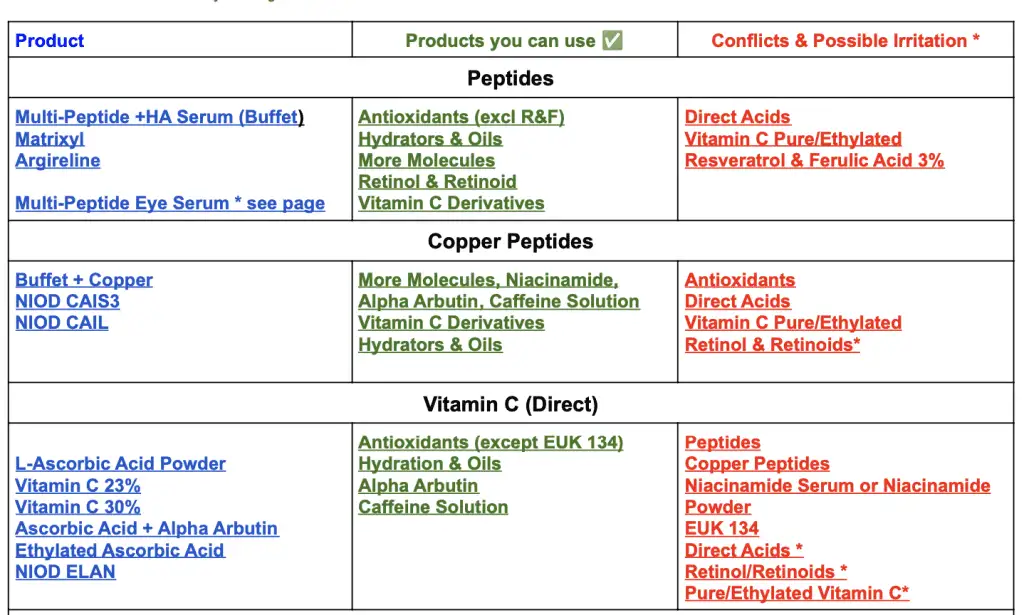
The Ordinary You Can & Cannot Mix
Your quick guide to the Ordinary products you should avoid using in the same regimen and the products you can use together.
The Ordinary Product Conflicts
If two products conflict, it usually means they may:
- Reduce each other’s effectiveness
- Increase the risk of irritation
In many cases, conflicting products can still be used safely by applying one in the morning and one in the evening, or by alternating days.
This chart lists all The Ordinary Products You Can and Cannot Mix in the most easiest format possible. This is just a guide! Always refer to the official The Ordinary website, as the information is regularly updated.
Quick FAQs
- Can I use Niacinamide with Retinol? Yes!
- Can I use Niacinamide with Vitamin C? The Ordinary says “We don’t recommend combining Vitamin C with Niacinamide. They can form a salt complex that may compromise both ingredients”.
- Can I use Hyaluronic Acid with Retinol? Yes you can!
- Can I use Glycolic Acid with Retinol? The Ordinary says “We don’t recommend combining Direct Acids with Retinoids. This may increase the chances of developing skin sensitivities as both are strong ingredients. We recommend using them on alternate days and/or nights.
- Can I use Peptides with Vitamin C? The Ordinary says “We don’t recommend combining Direct Vitamin C with Peptides. The acidity of Vitamin C can break down peptides, reducing their effectiveness”.
- Can I use Niacinamide with Salicylic Acid? Yes, you can!
The 10 Most Common The Ordinary Conflicts
The Ordinary does a lot of testing, and they have their reasons to avoid using certain products together. You will find other brands and skincare professionals disagree. If using The Ordinary, I would follow their advice, but ultimately it´s your decision. Always patch test!
- Retinol + Glycolic Acid ❌
- Retinol + Vitamin C ❌
- Copper Peptides + Vitamin C ❌
- Copper Peptides + Acids ❌
- Multiple Acids Together ❌
- Vitamin C + Niacinamide ❌
- Peptides + Direct Acids ❌
- Salicylic Acid + Retinol ❌
- AHA + Vitamin C ❌
- Salicylic acid + Pure Vitamin C ❌
Most Asked Conflict Questions From Our Community
- Niacinamide + Vitamin C ❌
- Niacinamide + Salicylic Acid ✅
Based on questions from our skincare community with over 200,000 members, these are the 2 most common questions about conflicts.
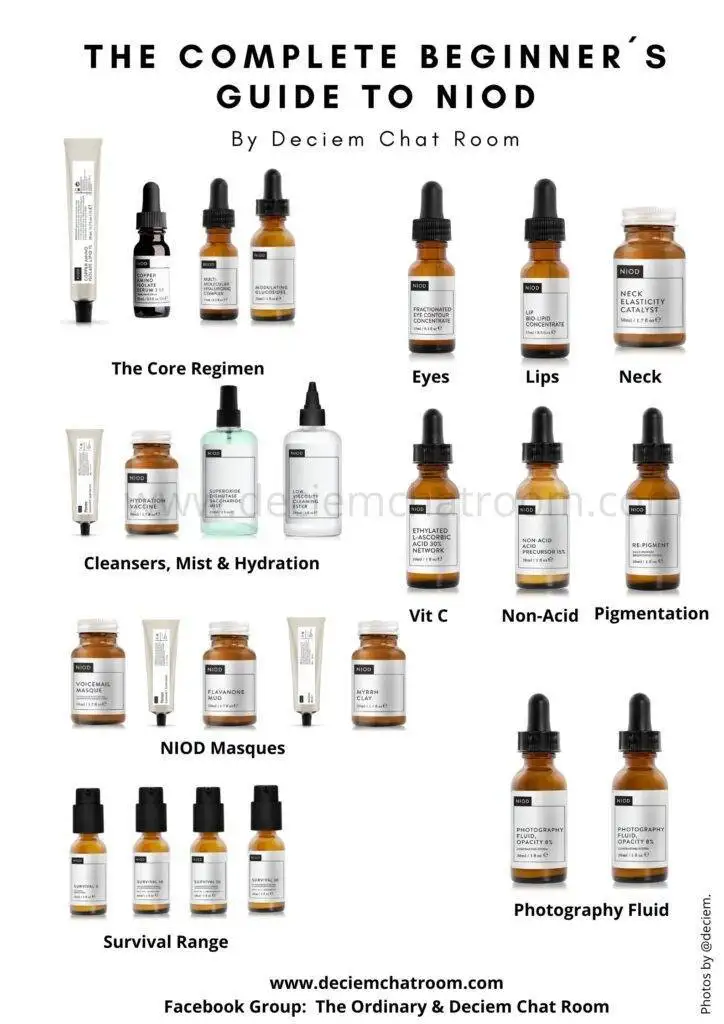
NIOD Conflicts products you can & cannot mix
You can find the new NIOD Conflicts Chart here. Like The Ordinary, the NIOD conflicts are regularly updated. Therefore, it´s always a good idea to double-check the official website, www.niod.com, before using products.
Some in-depth answers to conflicts
Here are some responses from The Ordinary answering questions about products you can and cannot mix and why.
Why can’t I use Vitamin C derivatives with Niacinamide?
The Ordinary: We do not recommend combining any Vitamin C with Niacinamide. This is due to the formation of a salt complex that has the potential to reduce the integrity of both compounds. We recommend using them on alternate days and/or nights.
Why can’t I use Vitamin C, Retinoids & Direct Acids in the same routine?
The Ordinary: If you wish to incorporate multiple Vitamin C’s, Retinoids, and/or Direct Acids into your skincare regimen, we suggest using them on alternate evenings and waiting until your skin has adjusted to one before introducing another.
Why can I not use more than 1 of The Ordinary Acids together?
The Ordinary: We do not recommend combining direct acids in the same regimen due to the subjectivity of skin tolerance.
Why can’t I use The Ordinary Buffet with Acids & Vitamin C?
The Ordinary: This is because (at a low pH) the peptides undergo processes such as deamination and oxidation, which compromise their activity. Our recommendations are meant to be a preventative measure to avoid incompatibility between those combinations, and because skin tolerance is subjective. If you have been combining them and this has been working for you, you may continue to do so, as the combination will not harm the skin.
Why can’t I mix The Ordinary Direct Acids & Peptides?
The Ordinary: We would not recommend combining direct acids with peptides due to the susceptibility of peptides to hydrolysis (which breaks the bonds between peptides, reducing their efficacy and making them into individual amino acids). At low pH, the peptides undergo processes such as deamination (the removal of an amide group) and oxidation, which compromise the activity of the peptides. Having said that, if you have previously combined peptides with acids and have not experienced any adverse side effects or discolouration, you may continue to combine the two products so that the combination does not pose any potential harm. Our recommendations are meant to serve as a preventative measure to avoid incompatibility between those combinations because skin tolerance is subjective.
Copper Peptides & Antioxidants, Direct Acids & Peptides
Our rule against combining strong antioxidants only applies to our copper peptide products. We would not recommend combining direct acids with peptides due to their susceptibility to hydrolysis (which breaks the bonds between peptides, reducing their efficacy and making them into individual amino acids). At low pH, the peptides undergo processes such as deamidation (the removal of an amide group) and oxidation, which compromise their activity.
If you have previously combined peptides with acids and have not experienced any negative side effects or discolouration, you may continue to combine the two products so that the combination does not pose any potential harm. Our recommendations are meant to serve as a preventive measure to avoid incompatibility in those combinations, as skin tolerance is subjective. I hope this helps!